Backpack Products.
We're building this range now — every piece will be private label, manufactured under your brand from 30 pieces.
Loading products…
A new range, built on
proven capability.
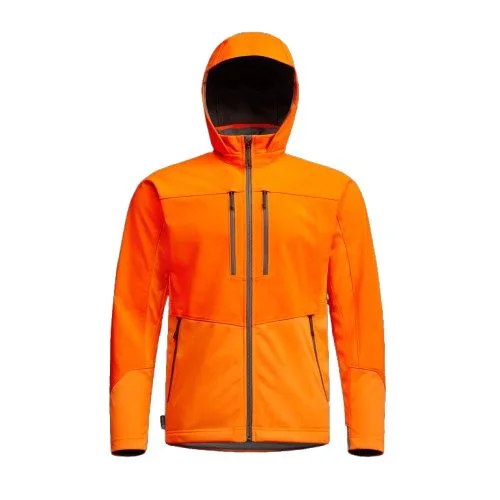
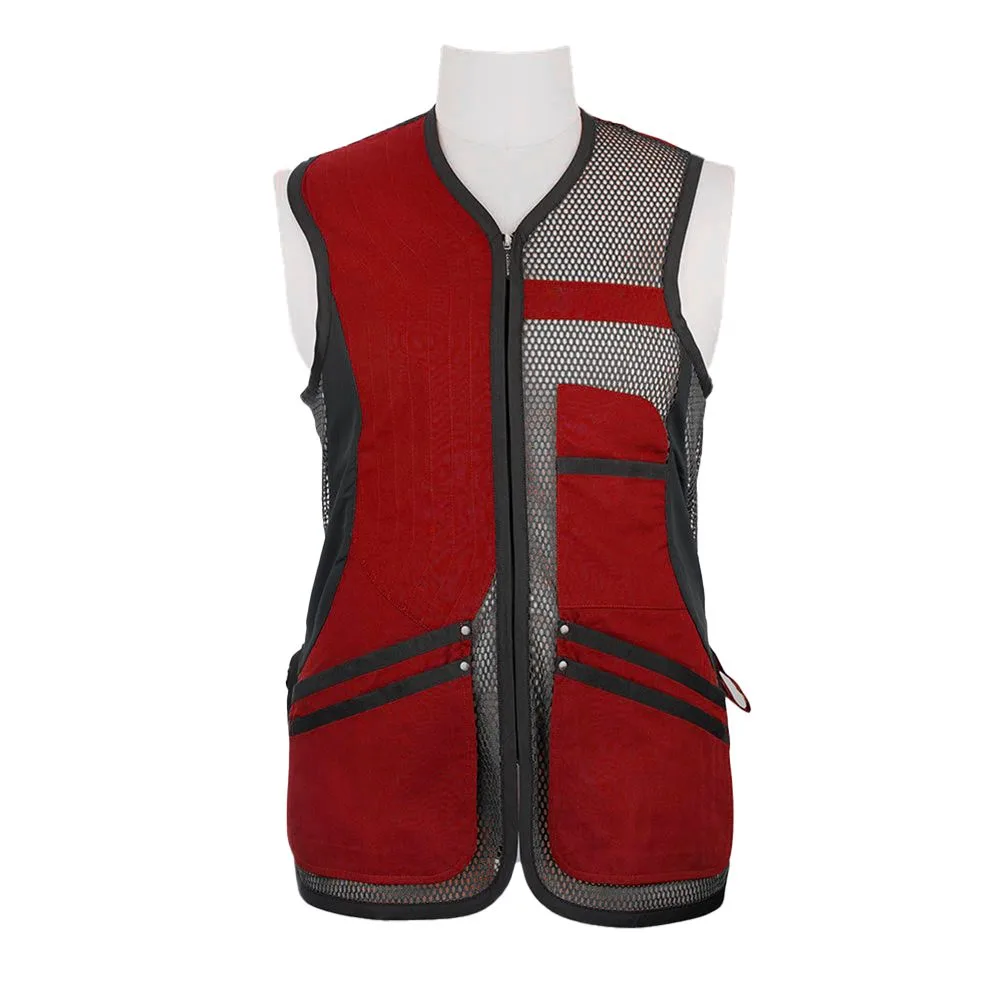
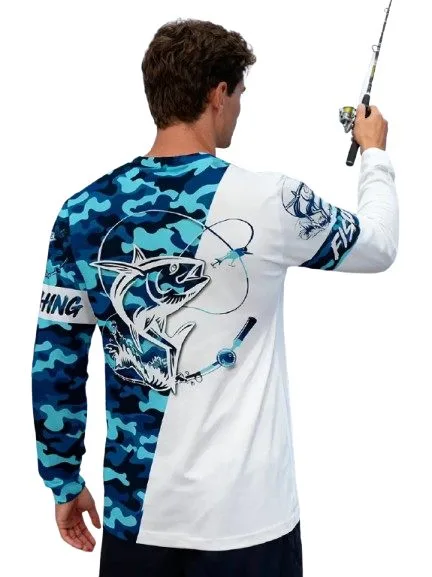
Backpacks and gear are a new category for us — but the manufacturing behind them isn't. For 12+ years we've sourced durable fabrics, hardware and branded trims for hunting and shooting apparel.
That same sourcing and construction knowledge applies directly to bags: rugged base fabrics, water-resistant coatings, YKK-grade zippers and branded hardware. If you have a design, a reference bag or just an idea for a hunting pack, hydration pack or range bag, send it and we'll tell you honestly what's possible — fabric options, timeline and a per-piece quote within 24 hours.
Nothing here is off-the-shelf yet. What you get is a manufacturer who already knows how to build durable, field-ready gear, starting your line from scratch, under your label.
What we can build.
Starting points for development — every spec is adjusted to your brand and market.
Bags are not apparel with straps.
This is the category where we are most likely to be the wrong supplier, so it is worth setting out plainly where the line sits rather than letting you find it at sampling.
A garment distributes load across a body. A pack concentrates it into a few anchor points and then asks a person to carry it for hours. That difference changes almost everything: heavier machines with a walking foot to feed multiple thick layers, different needles and threads, webbing and buckles that are structural rather than decorative, and box-stitched anchor points that have to hold a shock load rather than a static one.
What we are well set up for: soft goods and simple-construction bags — range bags, gear and duffel bags, gun slips, tool and accessory pouches, simple day packs and hydration-compatible packs. These use the same fabrics, coatings, hardware and branding we already buy and build with, and they are a natural extension of an apparel programme.
Where you should use a specialist: a technical hunting pack with an internal or external frame, a load-transferring hip belt and a tuned suspension system. That is a different discipline with its own engineering, and a brand whose core product is a 60-litre expedition pack should be talking to a factory that makes nothing else. We would rather say that now than three sample rounds in.
What actually decides whether a bag survives.
The base panel, not the body. A bag is put down on gravel, in truck beds and on wet ground thousands of times. Almost every bag that fails early fails at the bottom. A heavier base fabric than the body, and a seam that does not run along the point of contact, is the single most valuable decision in the specification.
Anchor points, not fabric weight. Straps do not tear because the cloth was thin — they pull out because the attachment was stitched rather than engineered. Box-and-cross stitching, backing tape or a reinforcement patch behind the panel, and bar-tacks at every load-bearing junction. Specify these explicitly; they are invisible in a photograph and are exactly what gets value-engineered away.
Zips carry the reputation. On bags a zip is a structural, constantly-loaded component and it is the part a customer blames the brand for. Name the brand and gauge you want rather than accepting "heavy duty", and if the bag will see rain or salt, specify the coating and the corrosion behaviour you need.
Water resistance is a system. A coated fabric with an open zip and unsealed seams is a water-resistant fabric on a bag that leaks. Decide whether you need genuine protection — in which case the closure and the seams have to match — or whether a coating and a rain cover is the honest, cheaper answer. It usually is.
Which fabrics we hold and what each is genuinely good at is set out in our fabric library; the heavier ripstop and canvas families are the ones that carry across to bags.
Start with the bag your customer already carries.
The most reliable brief in this category is a physical reference: send the bag you want improved, marked up with what to change. Bags are three-dimensional and hard to describe in words — a reference removes more ambiguity than three pages of specification.
Commercially, the sensible first project is a branded range bag or gear duffel alongside an existing apparel order. It is simple enough to get right first time, it is a genuine add-on sale to a customer already buying from you, and it tests the category without committing you to a technical pack programme.
Terms are the same as everything else here — 30 pieces per style, sampling in 7 to 10 working days, bulk in 28 to 35 days from sample approval. If the answer to your brief is that you need a specialist, we will tell you that within 24 hours rather than quoting anyway.
Made entirely yours.
Common questions.
What we already make.
Start your bag line.
Send a sketch, a reference bag or a tech pack — we'll reply within 24 hours with fabric options, a per-piece quote and a realistic timeline. From 30 pieces.
Request Backpack Quote →