Tactical Products.
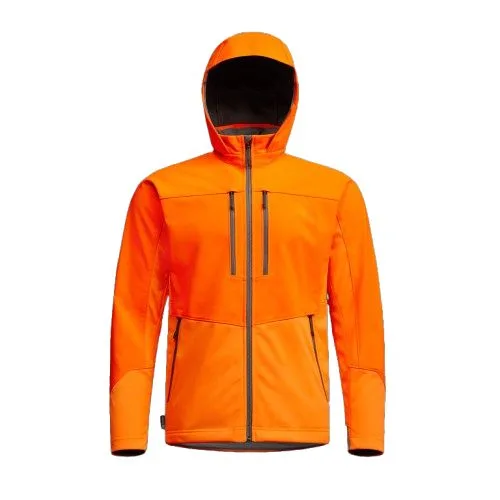
Browse our tactical apparel — every piece private label, manufactured under your brand from 30 pieces.
Loading products…
Built to take abuse.
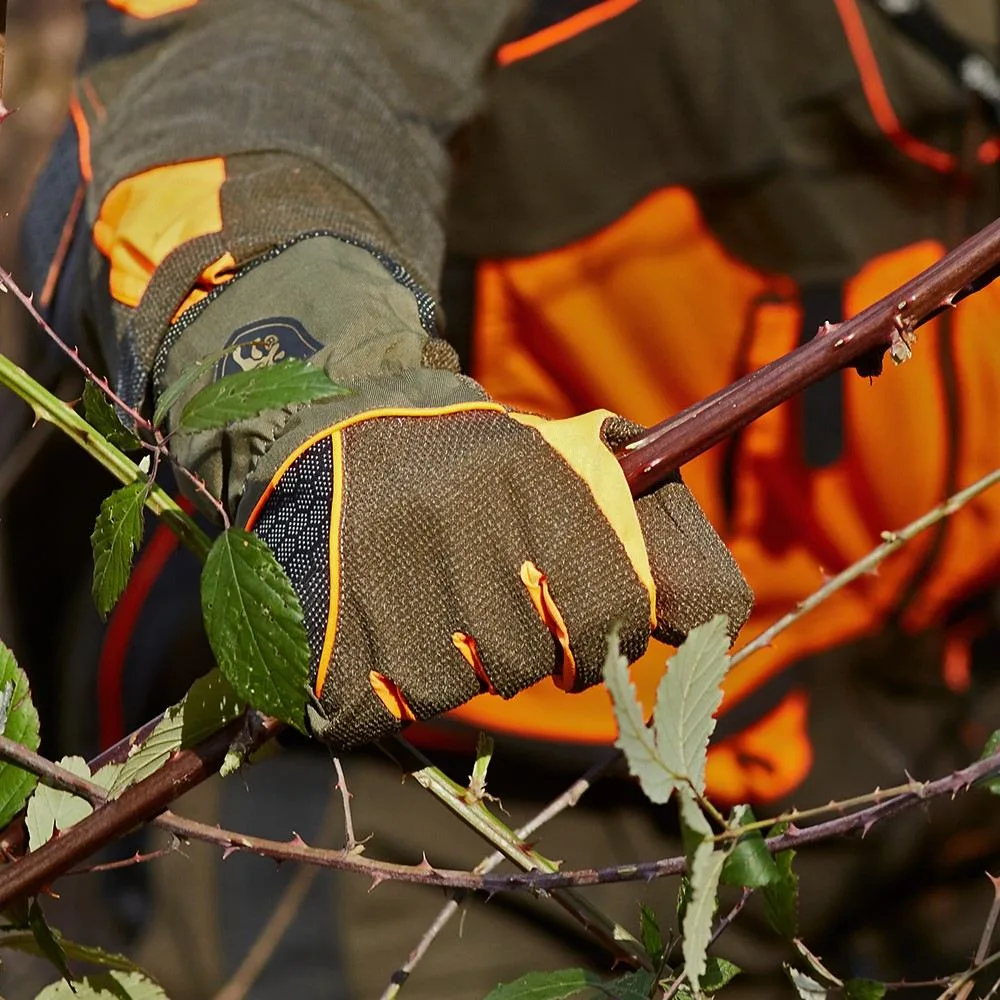
Tactical apparel lives or dies on construction — reinforced knees and seat, bartacked stress points, gusseted crotches and hardware that survives the field. We build all of it in.
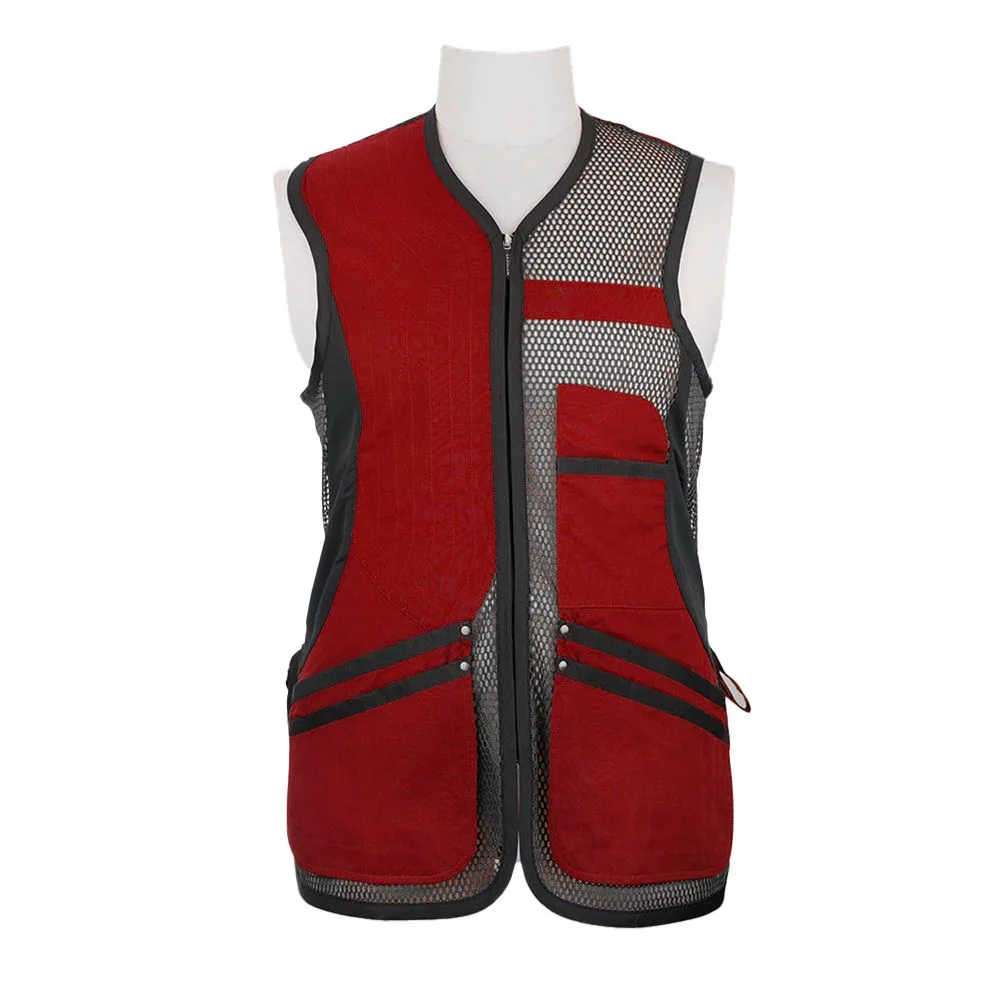
Combat shirts, cargo pants, BDU/ACU uniforms and utility vests — developed and produced under your label in custom camo or solids, with your branding, your fit and your hardware.
Send a reference garment or a tech pack — we reply within 24 hours with fabric options and a per-piece quote.
Field-tested constructions.
Where tactical garments actually fail.
Tactical apparel is not judged on how it looks new. It is judged on what breaks first, and the same four things break first almost every time. Each of them is a specification decision, not an accident.
The knees go before anything else. Kneeling on grit is abrasion under load on a small contact area. A single-layer knee in a 200 gsm ripstop will not survive a season of it. The fix is a second layer of the same or heavier cloth, shaped rather than flat, and an internal pocket if pads are expected — a flat patch sewn over a straight-leg knee bunches when the leg bends and wears through at the fold instead.
The crotch seam splits on the squat. A four-panel crotch with no gusset puts every bit of that load on one seam intersection. A diamond gusset moves the stress into the panel and roughly doubles the range of motion at the same time. It costs one extra piece and a minute of stitching.
Pocket corners tear out. Cargo pockets get loaded and grabbed. The corner of the pocket mouth is where the load concentrates, and a plain line of stitching there will unpick itself over a few months. Bar-tacks at the pocket mouth, belt loops and the base of every zip are the difference between a garment that ages and one that fails.
The hook-and-loop dies before the garment does. Loop fields on chest and sleeve pick up lint, dust and thread and lose their grip long before the fabric wears out. Specify the quality deliberately, keep the fields no larger than the patches actually need, and expect to state a cleaning instruction on the care label.
NYCO, poly-cotton or synthetic.
Three routes, and the right one depends on who wears the garment rather than on which sounds most tactical.
NYCO ripstop — a nylon-cotton blend — is the reference construction for field uniforms because it balances abrasion resistance with a cotton hand that does not melt or glaze under heat. It is the most expensive of the three and the usual choice where the garment is genuinely worked in.
Poly-cotton is the practical mid-point: cheaper, holds colour well, dries faster than pure cotton, and entirely adequate for range, training and retail programmes. For most brands selling to civilians this is the sensible specification, and paying for NYCO on a range shirt is paying for a property the buyer will never test.
Heavier synthetics and 600D belong on the parts that take structural load — packs, pouches, reinforcement panels — rather than on whole garments, where they are stiff and hot.
Two things worth deciding at brief stage rather than later. If your programme requires infrared-signature-managed fabric, say so at the brief — it is a specific fabric specification and has to be sourced as one; we will confirm what is achievable before quoting rather than after. And if the garment will be worn over body armour, the fit is a different block entirely: it is graded for the carrier, not for the chest.
Our fabric library sets out the families we hold and what each one is genuinely good at, including where it lets you down.
What we do not do.
Tactical is a category where buyers sometimes assume protective performance that has not been specified, so it is worth being explicit.
We manufacture apparel. We do not manufacture, supply or certify ballistic protection, and nothing we build should be described as protective equipment.
We do not hold flame-resistant or arc-rated certification, and we will not label a garment as FR. If your programme genuinely requires certified FR performance, that is a specialist supply chain with certified fabric and audited construction, and you should use one — we would rather tell you that than take the order.
We also do not certify compliance to any military or agency specification. We build to the specification you give us, and where a programme requires third-party verification we can have fabric tested through accredited laboratories at your cost, with the results reported to you.
What we do build well: durable, well-constructed field and duty-style apparel under your own label, from 30 pieces per style, with the reinforcement in the places that actually take the load.
Typical build spec.
Made entirely yours.
Common questions.
Launch your tactical line.
Send a reference garment or a tech pack — we reply within 24 hours with fabric options, a per-piece quote and a production calendar. From 30 pieces.